In the complex world of today, making ethical decisions is essential to maintaining one’s integrity both personally and professionally. It entails weighing decisions in light of moral standards and ideals as well as the effects on society and stakeholders. This blog uses real-world applications and philosophical ideas to examine useful tactics and insights that people can use to confidently and clearly overcome moral challenges.
Understanding Ethical Decision-Making
Ethical decision-making begins with a deep understanding of ethical principles and personal values. It requires individuals to identify and define ethical issues clearly, acknowledging the moral dimensions of their decisions. By grounding decisions in ethical frameworks, such as Utilitarianism, Deontology, and Virtue Ethics, individuals gain tools to evaluate conflicting values and make decisions that align with their ethical commitments.
Frameworks for Ethical Decision-Making
Different ethical frameworks offer organized methods for making decisions. While deontology emphasizes abiding by moral laws and obligations, utilitarianism concentrates on maximizing total happiness or utility. The field of virtue ethics advocates for people to develop moral qualities that serve as a framework for moral conduct. Different viewpoints on how to efficiently handle ethical complexity and balance conflicting values are provided by each framework.
Steps to Ethical Decision-Making
The process of ethical decision-making involves several critical steps. First, individuals must identify and define the ethical dilemma, clarifying the values and principles at stake. Gathering relevant information ensures informed decision-making, considering diverse perspectives and potential consequences. Evaluating alternatives involves generating possible solutions and assessing their ethical implications. Making a decision entails choosing the course of action that best aligns with ethical principles and values, prioritizing transparency and accountability. Reflecting on the outcome allows individuals to learn from their decisions, refine their ethical reasoning, and enhance future decision-making abilities.
Real-World Applications
Examples from the real world are used to demonstrate ethical decision-making in a variety of fields, such as business, healthcare, and public service. Transparency, honesty, and ethical responsibility are prioritized by professionals and leaders as they negotiate ethical difficulties. Successful ethical leadership techniques that foster sustainability, trust, and organizational resilience are highlighted in case studies. These illustrations highlight how crucial moral decision-making is to developing productive workplace cultures and achieving sustained success.
Ethical Leadership and Organizational Culture
Ethical leadership plays a pivotal role in shaping organizational culture and fostering ethical behavior. Leaders who model ethical principles and values inspire their teams to uphold integrity and accountability in decision-making processes. Cultivating an ethical organizational culture involves promoting open communication, empowering employees to make principled decisions, and aligning actions with the organization’s mission and values. By prioritizing ethical leadership, organizations can strengthen their reputation, build stakeholder trust, and contribute positively to society.
Conclusion
Those who want to negotiate moral complexity with confidence and integrity must learn the art of ethical decision-making. People can improve their capacity for ethical reasoning and help build a more moral and just society by comprehending ethical frameworks, adhering to structured decision-making procedures, and learning from practical applications. Adopting an ethical decision-making process fosters a culture of integrity and accountability in all facets of life, in addition to assisting with professional and personal development. Begin your path to ethical mastery now, and you will have the ability to make morally sound judgments that lead to constructive change.
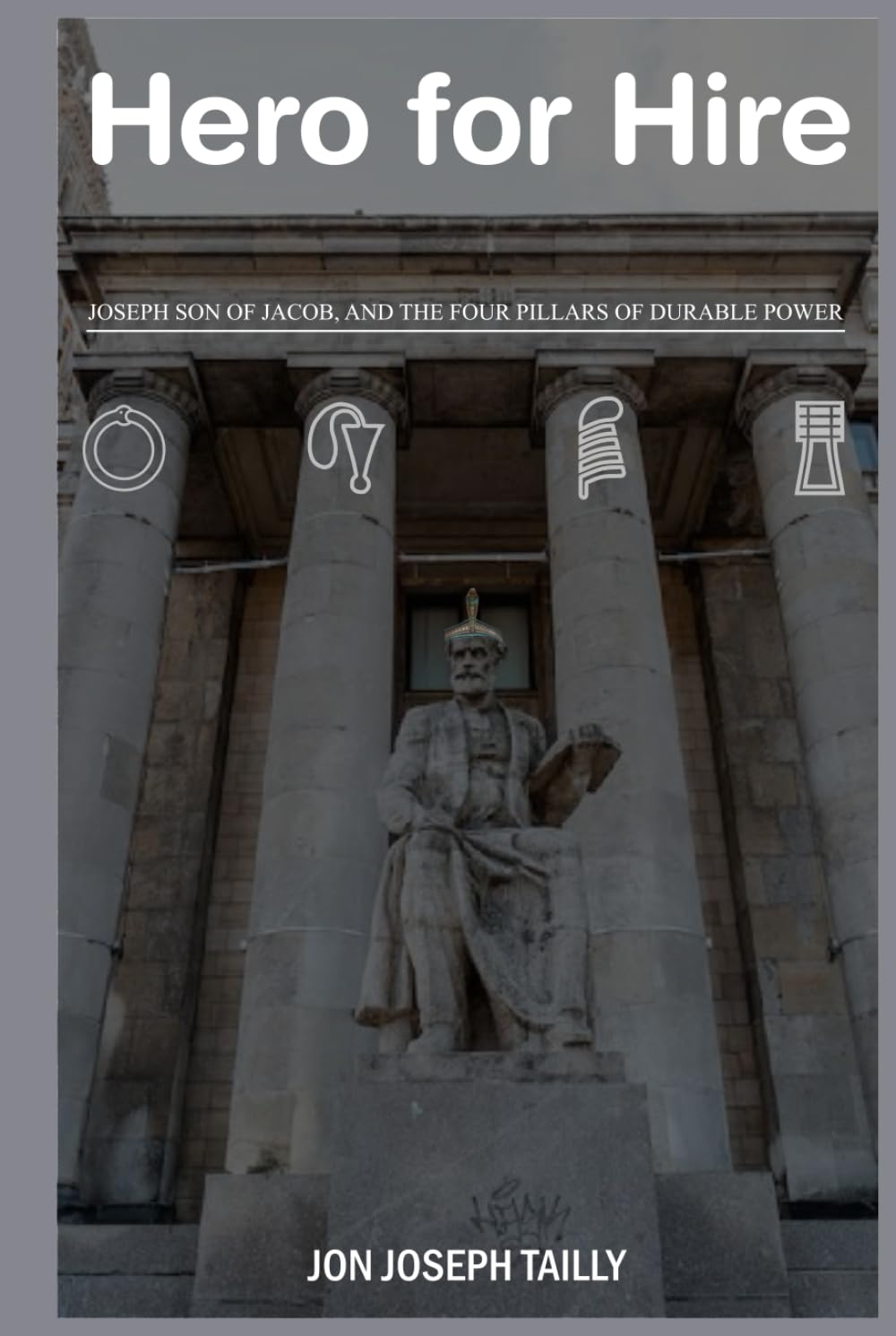
Discover profound insights in Jon Joseph Tailly’s “HERO FOR HIRE: Joseph Son Of Jacob and The Four Pillars of Durable Power.” This practical guide explores timeless virtues through the inspiring story of Joseph, offering valuable lessons in humility, integrity, reliability, and efficiency. Dive into Tailly’s narrative to uncover how these pillars can transform your personal and professional life. Whether you seek ethical leadership or personal growth, this book provides actionable wisdom rooted in biblical teachings and real-world application. Embrace the journey of ethical mastery from here: https://www.amazon.com/dp/B0CXYCY622 , and empower yourself with tools to navigate challenges with resilience and honor.